

Understanding Interlock Violations
What is an Interlock violation?
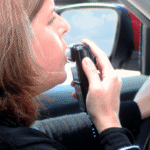
Interlock violations occur when the IID registers certain actions or behaviors that are against the program’s guidelines. The Ignition Interlock Device (IID) functions as a breathalyzer, gauging the driver’s breath alcohol concentration (BrAC) before permitting the vehicle to start. If the driver’s BrAC exceeds the preset limit or if they fail to provide a breath sample, an Interlock violation is recorded. See related: How does an Ignition Interlock Device work?Common actions or behaviors that can result in a violation
Interlock violations can be triggered by various actions, such as attempting to tamper with the device, having someone else take the test for you, failing to perform rolling retests, or driving another car without an Interlock. Many also wonder “Is driving without an Interlock a felony” when it’s indeed mandated by the court.Minor vs. major violations
Interlock infractions are categorized as either minor or major, depending on the gravity of the breach. Less significant infractions could lead to warnings or additional educational measures, whereas more substantial violations may entail more rigorous repercussions. The definition of a major vs a minor violation will vary by state, but usually if you blow above your state limit, that will result in a major violation.Consequences of Interlock Violations
Fines
If you commit an Interlock violation, you may face fines as a penalty. The fines can vary by state and the nature of the violation.License suspension
Instances of Interlock non-compliance may result in a temporary or potentially lasting revocation of your driver’s license. Not only can this disrupt daily life, but may also result in other legal trouble if you continue to drive without a valid license.Extension of IID requirements
Repeated Interlock violations could result in an extension of the mandatory IID period. This means you may have to use the device for a more extended period than initially mandated by the court.
Maximum Number of Interlock Violations
The maximum number of Interlock violations you can have depends on your state’s laws and the seriousness of the violations. Generally, states have a progressive system for penalties, meaning the more violations you commit, the more severe the consequences become.Penalties for Multiple Interlock Violations
Graduated penalties
For first-time Interlock violations, you might receive a warning or be required to undergo additional education about the IID program. However, with subsequent violations, the penalties escalate, and you could face fines, extended IID requirements, or even license suspension.Reinstatement fees
In addition to other penalties, there might be reinstatement fees to regain your driving privilege once your suspension period is over.Ignition Interlock Violations and Consequences – State by State
Non-compliance with Ignition Interlock obligations may lead to significant sanctions, and the permissible count of violations differs among the 50 states. Discover what states require Ignition Interlock devices and the consequences of Ignition Interlock violations:In Alabama, drivers with multiple Interlock violations may face an extension of the IID usage period, additional fines, or even suspension of their driving privileges.
In Alaska, Ignition Interlock violations can result in extended IID usage, fines, and potentially longer suspension of driving privileges.
In Arizona, drivers who accumulate multiple violations within a specified period may face a one-year suspension of their driving privileges and an extension of the IID requirement.
In Arkansas, drivers who violate their IID requirements may face additional time with the device, further fines, and potential license suspension.
California mandates the use of Ignition Interlock Devices for DUI offenders, especially in cases of repeat offenses or high blood alcohol content (BAC) levels. The number of allowable violations varies, but repeat offenses can lead to an extended IID usage period and additional fines.
Colorado imposes an IID requirement for DUI offenders, and repeated violations can lead to extended IID usage and more severe penalties.
In Connecticut, drivers with multiple Interlock violations may face additional fines and potentially extended IID usage.
Delaware enforces IID requirements for certain DUI convictions, and drivers with violations may face extended usage periods and additional penalties.
In Florida, multiple violations of the IID requirement may lead to an extension of the IID usage period and further consequences.
Georgia requires IID installation for some DUI offenders, and violations can result in an extension of IID usage and additional penalties.
Hawaii has an IID requirement for DUI offenders, and violations can lead to extended usage and potential license suspension.
In Idaho, drivers with multiple Interlock violations may face extended IID usage and additional fines.
In Illinois, drivers who violate their IID requirements may face extended usage periods and further consequences.
Indiana enforces an IID requirement for some DUI convictions, and violations can result in an extension of the IID usage period and additional penalties.
In Iowa, specific DUI convictions mandate the installation of an IID, and repeated infractions can result in a prolonged Ignition Interlock requirement and additional repercussions.
In Kansas, drivers with multiple Interlock violations may face extended IID usage and additional fines.
Kentucky enforces an IID requirement for some DUI convictions, and violations can result in an extension of the IID usage period and additional penalties.
In Louisiana, drivers who violate their IID requirements may face extended usage periods and further consequences.
Maine has an IID requirement for DUI offenders, and violations can lead to extended usage and potential license suspension.
In Maryland, multiple violations of the IID requirement may lead to an extension of the IID usage period and further consequences.
Massachusetts enforces an IID requirement for some DUI convictions, and violations can result in an extension of the IID usage period and additional penalties.
In Michigan, drivers with multiple Interlock violations may face extended IID usage and additional fines.
Minnesota has an IID requirement for DUI offenders, and violations can lead to extended usage and potential license suspension.
In Mississippi, drivers who violate their IID requirements may face extended usage periods and further consequences.
Missouri requires IID installation for certain DUI convictions, and multiple violations can lead to extended usage and further penalties.
In Montana, drivers with multiple Interlock violations may face extended IID usage and additional fines.
Nebraska enforces an IID requirement for some DUI convictions, and violations can result in an extension of the IID usage period and additional penalties.
In Nevada, drivers who violate their IID requirements may face extended usage periods and further consequences.
New Hampshire has an IID requirement for DUI offenders, and violations can lead to extended usage and potential license suspension.
In New Jersey, multiple violations of the IID requirement may lead to an extension of the IID usage period and further consequences.
New Mexico requires IID installation for some DUI convictions, and violations can result in an extension of the IID usage period and additional penalties.
In New York, drivers with multiple Interlock violations may face extended IID usage and additional fines.
North Carolina enforces an IID requirement for certain DUI convictions, and violations can lead to extended usage and further penalties.
In North Dakota, drivers who violate their IID requirements may face extended usage periods and further consequences.
Ohio has an IID requirement for DUI offenders, and violations can lead to extended usage and potential license suspension.
In Oklahoma, multiple violations of the IID requirement may lead to an extension of the IID usage period and further consequences.
Oregon requires IID installation for some DUI convictions, and violations can result in an extension of the IID usage period and additional penalties.
In Pennsylvania, drivers with multiple Interlock violations may face extended IID usage and additional fines.
Rhode Island enforces an IID requirement for DUI offenders, and violations can lead to extended usage and further penalties.
In South Carolina, drivers who violate their IID requirements may face extended usage periods and further consequences.
South Dakota has an IID requirement for certain DUI convictions, and violations can result in an extension of the IID usage period and additional penalties.
In Tennessee, multiple violations of the IID requirement may lead to an extension of the IID usage period and further consequences.
Texas enforces an IID requirement for some DUI convictions, and violations can lead to extended usage and further penalties.
In Utah, drivers with multiple Interlock violations may face extended IID usage and additional fines.
Vermont has an IID requirement for DUI offenders, and violations can lead to extended usage and potential license suspension.
In Virginia, multiple violations of the IID requirement may lead to an extension of the IID usage period and further consequences.
Washington requires IID installation for certain DUI convictions, and violations can result in an extension of the IID usage period and additional penalties.
In West Virginia, drivers who violate their IID requirements may face extended usage periods and further consequences.
Wisconsin has an IID requirement for DUI offenders, and violations can lead to extended usage and potential license suspension.
In Wyoming, drivers with multiple Interlock violations may face extended IID usage and additional fines.
How to Avoid Interlock Violations
Follow the guidelines
The most effective way to avoid Interlock violations is to strictly adhere to the IID program’s guidelines. This includes taking the required breath tests, performing rolling retests when prompted, and never attempting to tamper with or bypass the device.Stay sober while driving
All types of Ignition Interlock Devices are designed to prevent intoxicated individuals from operating a vehicle. Therefore, the best way to avoid violations is to abstain from drinking alcohol before driving.Regular maintenance
Ensure your IID is well-maintained and calibrated regularly according to the manufacturer’s recommendations. Ignition Interlock Device problems could lead to false violations or problems with starting your vehicle. How Can I Avoid an Alcohol Violation in My Ignition Interlock Device?Conclusion
Understanding the consequences of Interlock violations is crucial for individuals required to install an Ignition Interlock Device. Multiple Interlock violations can lead to severe penalties, including fines, license suspension, and extended IID requirements. To prevent experiencing these outcomes, it is crucial to adhere to the program’s instructions, remain sober while operating a vehicle, and ensure proper upkeep of your device. At Smart Start, we are dedicated to guiding you through this journey and furnishing the assistance required for the successful fulfillment of your IID program. Remember, by staying compliant and responsible, you can regain your driving privileges and move forward with a clean record. Sources:- National Highway Traffic Safety Administration (NHTSA). “Alcohol Ignition Interlocks”. https://www.nhtsa.gov/book/countermeasures/deterrence/42-alcohol-ignition-interlocks
- National Conference of State Legislatures. “State Ignition Interlock Laws”. https://www.ncsl.org/transportation/state-ignition-interlock-laws
- American Association Of Motor Vehicle Administrators (AAMVA). “Ignition Interlock”. https://www.aamva.org/topics/ignition-interlock#?wst=4a3b89462cc2cff2cbe0c7accde57421