
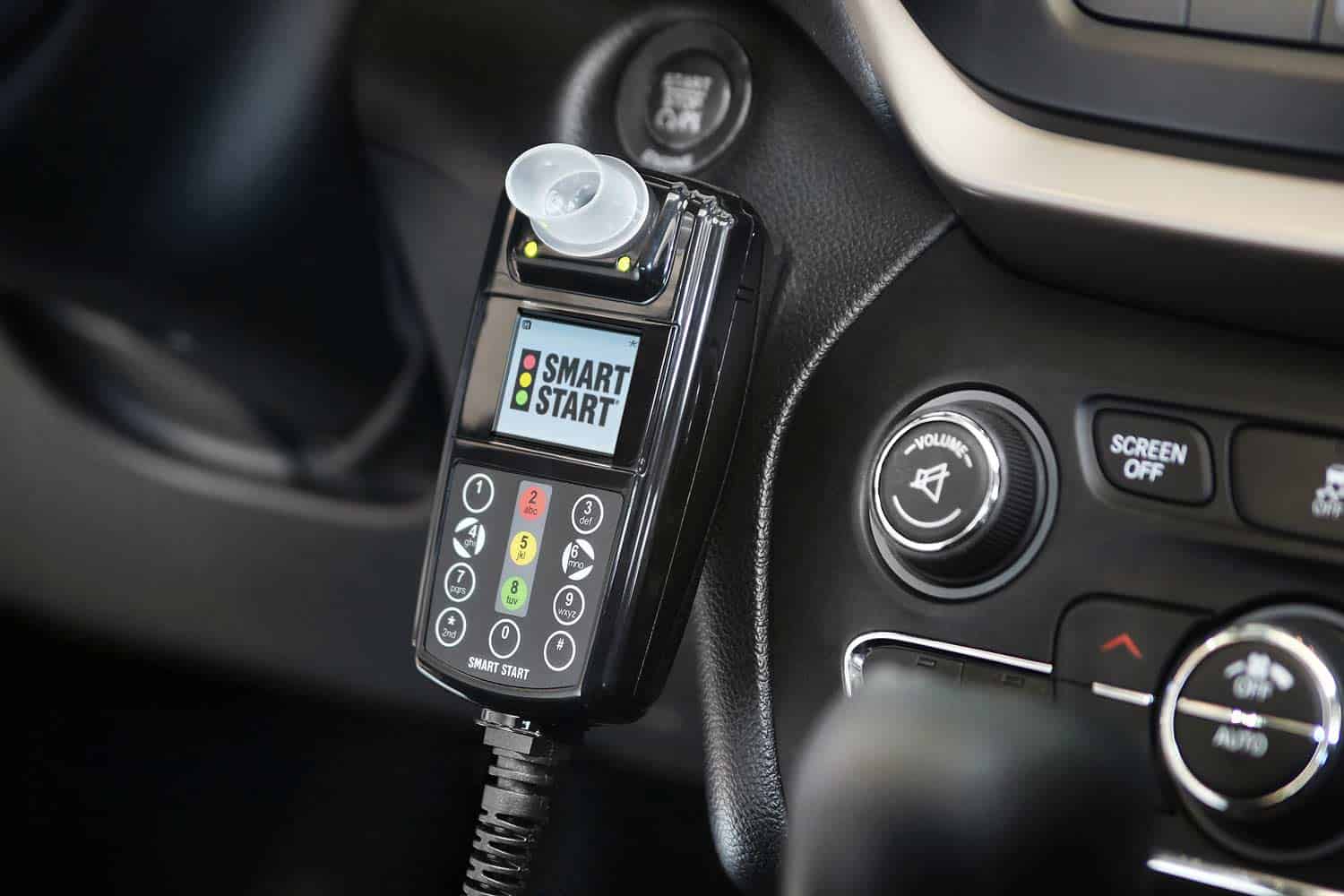
An Ignition Interlock Device is not typically public knowledge unless a person must use one. A person who commits a DUI or DWI usually needs an Interlock in their vehicle after being convicted, or sometimes right after they are arrested.
Ignition Interlocks started to make an appearance from manufacturers in the ‘70s and ‘80s.
So how has the Ignition Interlock Device progressed throughout the years, and what has it become now? Has it fulfilled its mission of keeping our roadways safe from drunk drivers?
The History of Ignition Interlock Devices
The purpose of an Ignition Interlock is to determine someone’s breath alcohol concentration (BrAC). It is installed into someone’s vehicle because of a court and/or state requirement from a DUI offense. If someone takes and fails the Device’s test, the user’s vehicle will not start.
There’s several names involved in the development of Ignition Interlocks.
Safety Tools on the Roads
John A. Volpe was the U.S. Secretary of Transportation from 1969 to 1973. During this time, the Highway Safety Act passed in 1966 with many safety innovations on U.S. roadways making an appearance, such as seatbelts, airbags and even Ignition Interlocks. In 1970, Volpe said that, “If someone could develop a technology to stop a drunk from driving, I would legislate it into existence.”
Borg Warner Corp.
The Borg Warner Corporation, a research laboratory in Des Plaines, Illinois, produced a working prototype of the Ignition Interlock the late ‘60s. They created a sample breath alcohol tester that interrupted the starting circuit of the vehicle it was installed in.
Donald Collier
Donald Collier eventually joined Borg Warner. He worked on the Manhattan Project previously, and he helped develop the atomic bomb. In 1971, he patented the first “inebriate inhibitor system,” the start to Ignition Interlock’s existence.
Throughout the years, even when he later resigned from Borg Warner, Collier continued to innovate Ignition Interlocks to be a working and effective safety product.
In 1985, the Ignition Interlock was then presented to various governmental and private interests, leading to investors acquiring Borg Warner’s research division. Thus, the first modern series of Interlocks started to be put to public use.
The first court-ordered Ignition Interlock occurred in 1985 in Denver, and several states started using them in pilot programs.
Naoyoshi Taguchi
In 1962, Naoyoshi Taguchi noticed a newspaper article on a propane gas explosion at Lake Yamanaka in Japan. He immediately recognized the serious need for a gas leak detector. He then began a series of experiments to find functional materials for gas detection.
One type of gas detected by Taguchi’s cell was alcohol. This sensor then became the industry standard method of detecting alcohol in drivers.
In 1992, The National Traffic Safety and Highway Association (NHTSA) established guidelines for Ignition Interlocks nationwide to ensure a reliable and fully functioning product.
The Current Ignition Interlock Device: Preventing Drunken Driving
From 1992 to 2005, many changes contributed to the significant growth of Ignition Interlocks with technological and program advancements. These changes have led to the current Ignition Interlock program today in the U.S.
One change saw the implementation of the fuel-cell alcohol sensor, rather than the Taguchi one. This electrochemical device is ethanol-specific, and provides more accurate and reliable breath test results. Most certified Ignition Interlocks, including all of Smart Start’s, has a fuel-cell sensor.
Ignition Interlocks have answered skeptics’ questions on how effective they are against drunk driving. When there is stronger legislation for Interlocks, there is a lesser chance of someone driving impaired again.
Mothers Against Drunk Driving
MADD is an organization with the goal to end drunk driving. They lobby in the U.S. and Canada for stronger legislation against drunk driving. One legislation they fight for is to make Ignition Interlocks mandatory for all offenders, whether it is a first or repeat offense. With MADD’s support, the Ignition Interlock industry was further legitimized as a proven safety feature on public roadways.
In addition, national studies prove that Interlocks lower the re-offending rate. When someone uses an Ignition Interlock as a mandatory condition after a first DUI offense, it is unlikely that they’d repeat their mistake of drinking and driving again.
A Reputation as the Trusted Leader with Ignition Interlocks
Smart Start formed under the mission of making a reliable and robust tool that would prevent drunk driving and help users recover. Bettye and Jay Rodgers, the founders, took Ignition Interlocks and started to raise the standard in December 1992.
Currently, 30 states enact an all-offender Interlock law. Year after year, studies prove that Ignition Interlock installations are increasing in the U.S. With reliable Interlocks, round-the-clock customer service and more than 25 years of industry knowledge, Smart Start has been the go-to Ignition Interlock vendor for nearly a million clients worldwide.
Let Smart Start Help You Get Back on the Road
If you need an Ignition Interlock, choose a company that clients can trust. Smart Start will provide you a quote, any current discounts in your area and set up your installation appointment. Call our team at [company_variable name=”Corporate Telephone Number Link”] or fill out our quick and easy online form.